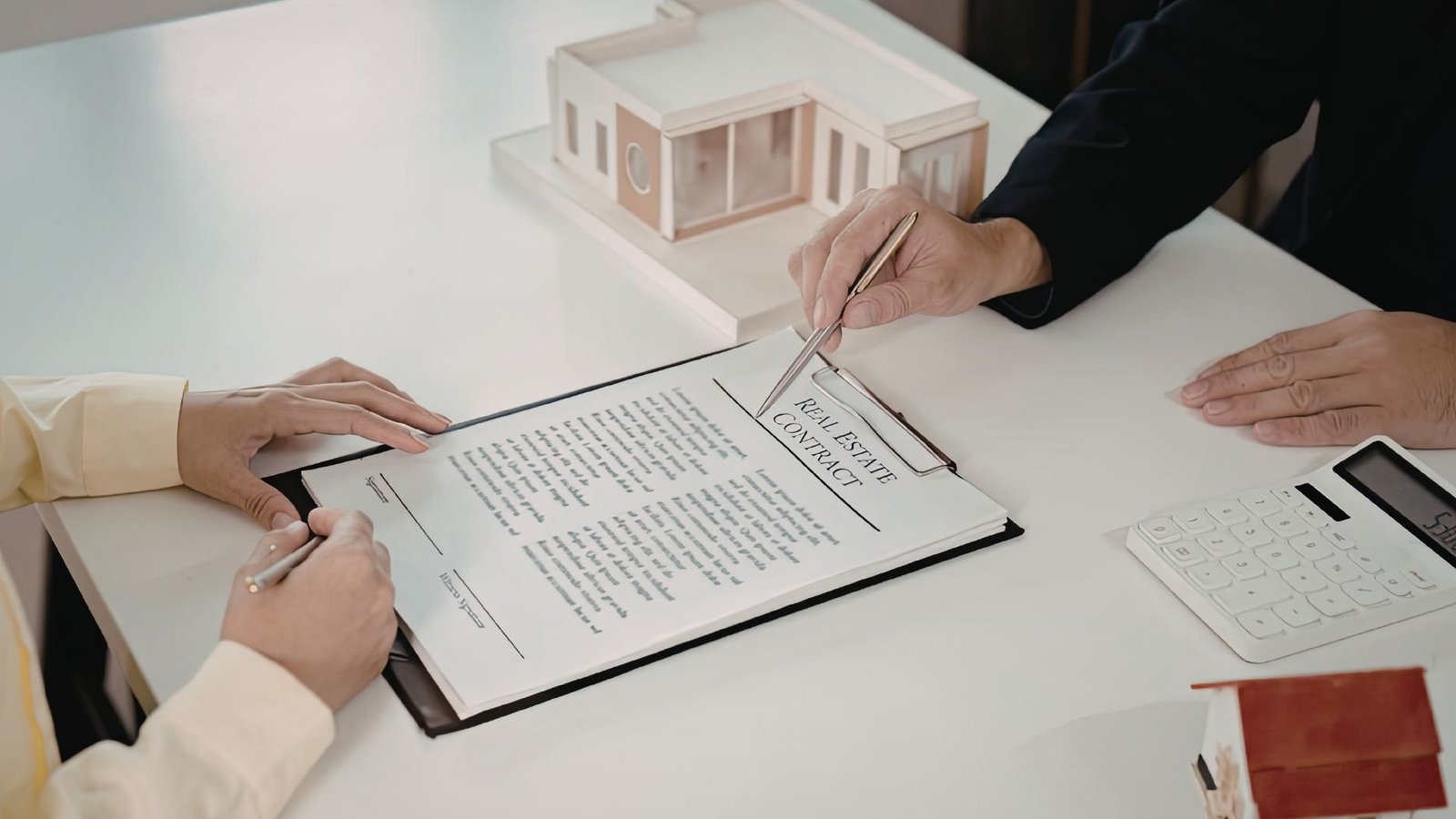
When buying or selling real estate, the terms “title” and “deed” are often used interchangeably. While they are closely related, they are not the same thing. Understanding the difference is important for anyone involved in a real estate transaction in West Virginia, Ohio, or Pennsylvania.
Knowing how title and deed work together helps you better understand ownership rights, avoid confusion at closing, and protect your investment.
What Is a Property Title?
A property title refers to your legal ownership rights in a property. It is not a physical document. Instead, it represents the concept of ownership, including your right to:
- Use the property
- Sell or transfer it
- Lease it
- Make improvements
When someone says they “have title” to a property, they mean they legally own it.
A “clear title” means there are no liens, disputes, or legal claims that would interfere with ownership.
What Is a Deed?
A deed is the physical legal document used to transfer ownership of property from one party to another. It is signed, notarized, and recorded with the county.
A deed includes important details such as:
- Names of the buyer and seller
- Legal description of the property
- Type of ownership being transferred
- Signatures of the parties involved
Once recorded, the deed becomes part of the public record and serves as proof of the transfer.
The Key Difference Between Title and Deed
The simplest way to understand the difference is:
- Title = your legal ownership rights
- Deed = the document that transfers those rights
You receive title to a property through the execution and recording of a deed.
Why This Difference Matters
Ownership vs. Documentation
Just because your name is on a deed does not automatically mean there are no issues with the title. A deed can transfer ownership, but it does not guarantee that the title is free of problems.
That is why a title examination is performed before closing.
Risk of Title Issues
A property may have a recorded deed but still carry hidden issues such as:
- Unpaid liens
- Ownership disputes
- Errors in prior transfers
- Undisclosed heirs
These issues affect the title, not the deed itself.
Importance of Title Insurance
Because title issues can exist even after a deed is recorded, buyers often purchase title insurance. This protects against financial loss if a problem with the title is discovered after closing.
Role in Real Estate Closings
During closing:
- The deed is prepared, signed, and recorded
- The title is reviewed to ensure it is clear and transferable
Both steps are essential to completing a legally sound transaction.
Common Misunderstandings
Many buyers and sellers assume:
- A deed guarantees clear ownership
- Recording a deed eliminates all risk
- Title and deed mean the same thing
These misunderstandings can lead to problems if issues arise after closing.
How a Real Estate Attorney Helps Protect Title
A real estate attorney ensures that both the deed and title are handled correctly by:
- Reviewing the title history for defects
- Preparing or reviewing the deed
- Confirming proper execution and recording
- Identifying risks before closing
- Explaining ownership rights in clear terms
This level of review helps prevent issues that could impact your property in the future.
How Guida Law Offices Helps Protect Your Ownership
Guida Law Offices assists clients throughout West Virginia, Ohio, and Pennsylvania with title examinations, deed preparation, and real estate closings. Our team ensures that ownership is properly transferred and that your title is clear and protected.
If you are buying or selling property and want to fully understand your rights, contact Guida Law Offices to guide you through the process with confidence.